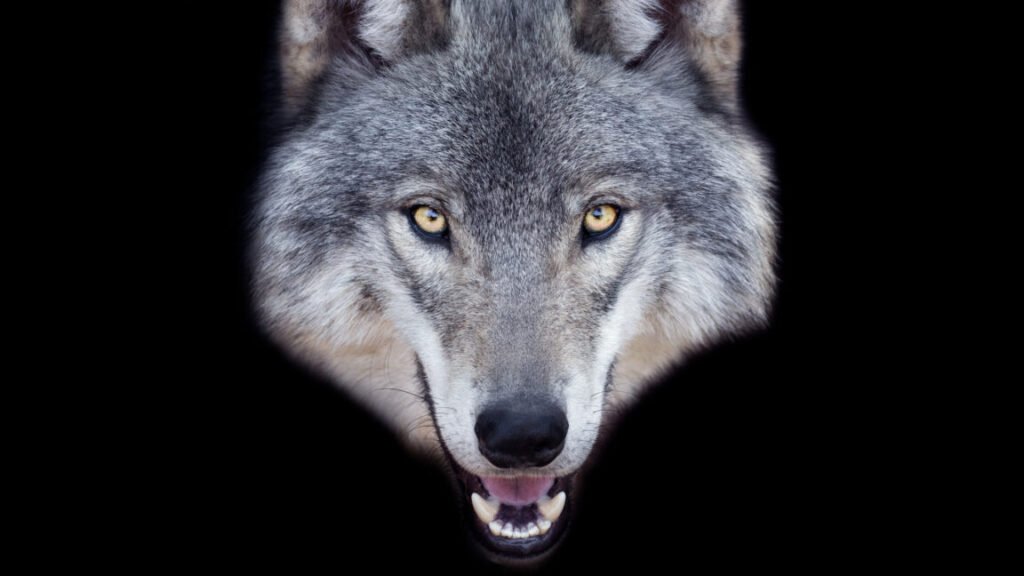
A man could spend five years behind bars for using artificial intelligence to create fake evidence of a runaway wolf. The phony sighting caused massive search efforts and wasted thousands of dollars in resources.
This isn’t just about a prank gone wrong. The case shows how easy it’s become to fool people with AI-generated images and videos. When a beloved wolf escaped from a local zoo, the entire community was gripped with excitement and concern. People wanted to help find the animal safely.
When Fake Gets Too Real
The man used AI tools to create convincing photos showing the wolf in various locations around town. He posted these images on social media, claiming he’d spotted the missing animal. Search teams rushed to each fake location, spending hours and significant money following false leads.
Meanwhile, the real wolf remained missing while resources were diverted to chase digital ghosts. The fake images looked so realistic that even wildlife experts initially believed them. Only when investigators dug deeper did they discover the photos were AI-generated.
Authorities say this represents a dangerous new trend. As AI image creation gets better and more accessible, it becomes harder to tell what’s real. The tools that created these fake wolf photos are available to anyone with a smartphone.
What Comes Next
This case could set important legal precedent for AI misuse. Prosecutors argue that using artificial intelligence to create false emergency situations should carry serious penalties. The five-year sentence reflects how seriously courts are starting to take AI-powered deception.
Expect more laws targeting fake AI content, especially when it wastes public resources or endangers people.