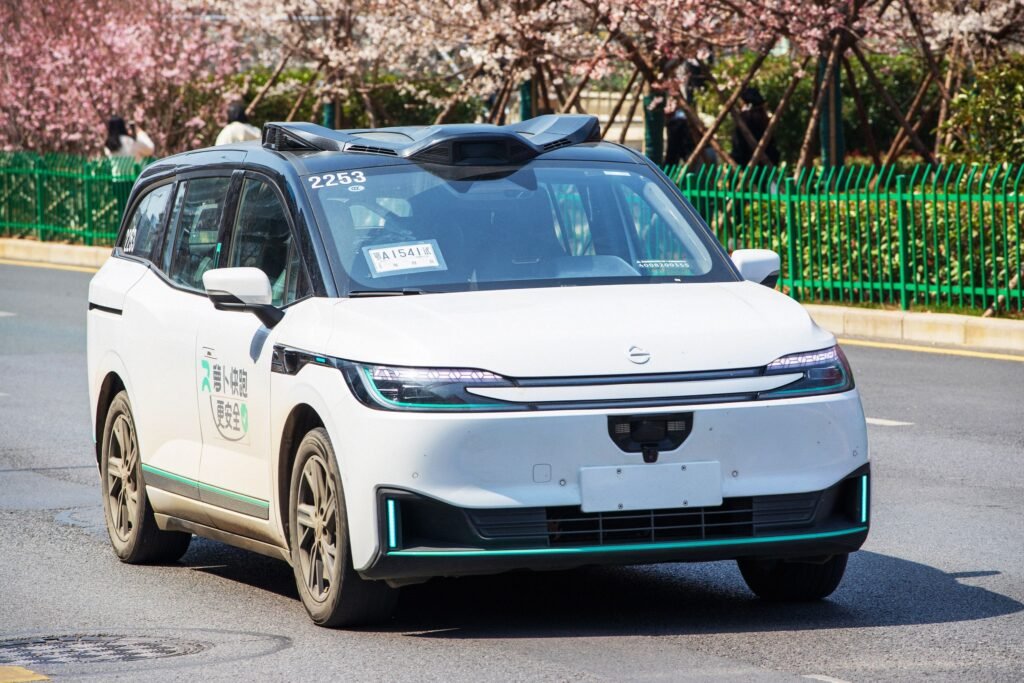
Baidu’s robotaxis suddenly stopped working in the middle of busy roads in Wuhan, China, leaving passengers stuck inside the cars. The system failure reportedly caused traffic jams and crashes as the driverless vehicles froze on highways.
This isn’t just an embarrassing tech glitch – it shows what happens when self-driving cars fail in real traffic. Passengers had to wait for human operators to remotely take control or send rescue teams. Some people were trapped for significant amounts of time on busy roads.
When Robots Stop Working
Baidu operates one of China’s largest robotaxi services, with hundreds of self-driving cars picking up regular passengers in Wuhan. The cars usually work by connecting to Baidu’s central computer system, which tells them where to go and how to drive safely.
But when that connection failed, the cars didn’t know what to do. Unlike human drivers who can improvise, the robotaxis just stopped. This created a domino effect – other drivers had to swerve around the frozen vehicles, causing accidents and major traffic problems.
Baidu hasn’t explained exactly what caused the system failure or how long it lasted. The company has been expanding its robotaxi service to compete with rivals like Waymo and Cruise in the US.
What Happens Next
This incident highlights a key challenge for self-driving cars: they’re only as reliable as their internet connection and central computers. As more cities allow robotaxis on public roads, companies will need better backup systems to prevent passengers from getting stranded when technology fails.