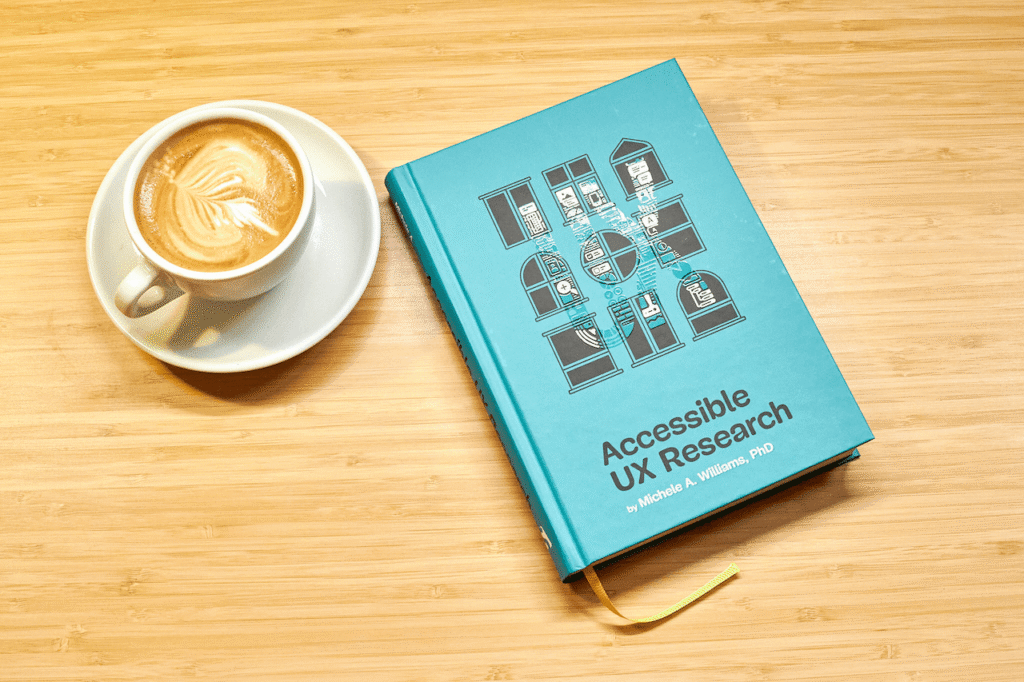
Michele Williams just dropped a truth bomb that should make every web professional uncomfortable: most UX research systematically excludes disabled users. Her new book “Accessible UX Research” isn’t just another design manual—it’s a wake-up call for an industry that talks about “user-centered design” while ignoring 15% of the global population.
Think about your last user research session. Did you recruit participants who use screen readers? What about users with motor disabilities or cognitive differences? If you’re like most teams, the answer is probably no.
The Billion-Dollar Blind Spot We Can’t Afford
Here’s the uncomfortable reality: when we exclude disabled users from research, we’re not just being ethically questionable—we’re making terrible business decisions. The global disability market represents over $13 trillion in annual disposable income. Yet most UX research treats accessibility as an afterthought, something to “bolt on” after the real design work is done.
Williams’ book tackles this head-on, showing how to integrate accessibility thinking into every stage of research—from recruitment to analysis. She covers practical stuff like how to conduct usability tests with screen reader users, how to design surveys that work for people with cognitive disabilities, and how to make focus groups truly inclusive.
The timing couldn’t be better. With lawsuits under the Americans with Disabilities Act hitting record highs (over 4,000 in 2023 alone), companies are finally realizing that accessibility isn’t optional. But here’s what most miss: you can’t retrofit accessibility into a product that was designed without disabled users in mind. It has to be baked in from day one.
**OFFART Insight:** The best accessibility features often improve usability for everyone—think captions on videos or voice controls. When you exclude disabled users from research, you miss innovations that could benefit your entire user base.
What makes this book different is its practicality. Williams doesn’t just tell you why inclusive research matters—she shows you how to do it on any budget. She provides scripts for recruiting participants, guidelines for compensating disabled users fairly, and frameworks for analyzing research through an accessibility lens.
The book also dives deep into assistive technology, helping designers understand how screen readers, switch controls, and eye-tracking devices actually work. This isn’t just academic knowledge—it’s the foundation for designing experiences that actually function for disabled users.
For startup founders counting every dollar, Williams makes a compelling case that inclusive research isn’t more expensive—it’s more efficient. When you design for edge cases from the beginning, you avoid costly redesigns later. Plus, accessible products often perform better in SEO and work better on slower connections.
The web industry loves to talk about empathy and human-centered design, but our research practices tell a different story. Williams is calling us to match our methods to our values—and showing us exactly how to do it.
If you’re serious about building products that work for everyone, this book isn’t optional reading—it’s required.