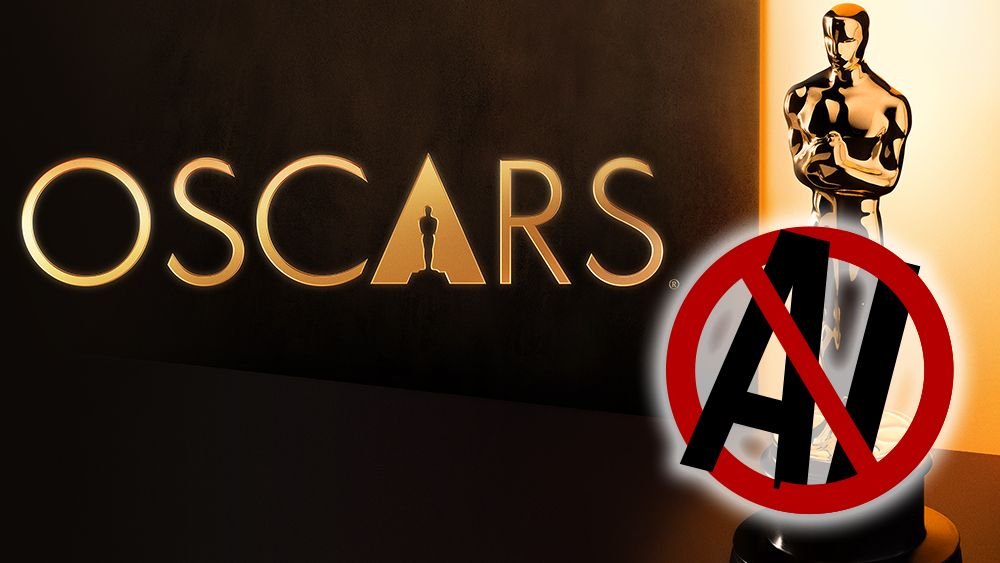
The Academy Awards announced new rules banning AI-generated films from competing for Oscars. But the fine print shows filmmakers can still use artificial intelligence in many ways.
The ban sounds strict, but it’s actually pretty limited. Movies made entirely by AI are out, but films that use AI for editing, visual effects, or music composition can still compete. It’s like banning robots from cooking but allowing them to chop vegetables.
Half Ban, Half Permission
The Academy’s decision comes as Hollywood fights over AI’s role in filmmaking. Major studios want to use AI to cut costs and speed up production. Meanwhile, writers and actors worry about losing jobs to computer programs.
The new rules try to split the difference. They protect human creativity while acknowledging that AI tools are already everywhere in movie production. Visual effects teams use AI to create realistic explosions. Editors use AI to sync audio. Composers use AI to generate background music.
But artists aren’t happy with this middle ground. Some call it a “half measure” that doesn’t go far enough to protect human jobs. Others think it’s too restrictive and will push innovation overseas to countries with looser rules.
What Happens Next
The rules take effect for next year’s ceremony. Expect lots of confusion as filmmakers figure out what counts as “too much AI.” The Academy will likely spend months clarifying edge cases and updating guidelines.
Meanwhile, AI technology keeps improving. By next Oscar season, the line between human and artificial creativity might be even blurrier than it is today.