The world’s largest digital rights conference just got canceled after China pressured the host country to ban Taiwanese attendees. Access Now, which runs RightsCon, pulled the plug on the event rather than exclude Taiwan.
This isn’t just about one conference. It shows how China uses economic pressure to control who gets heard on the global stage, even at events about internet freedom and human rights.
Politics Meets Tech
RightsCon brings together 8,000 activists, journalists, and tech workers from around the world to discuss online privacy, censorship, and digital rights. This year’s event was supposed to happen in Zambia next month.
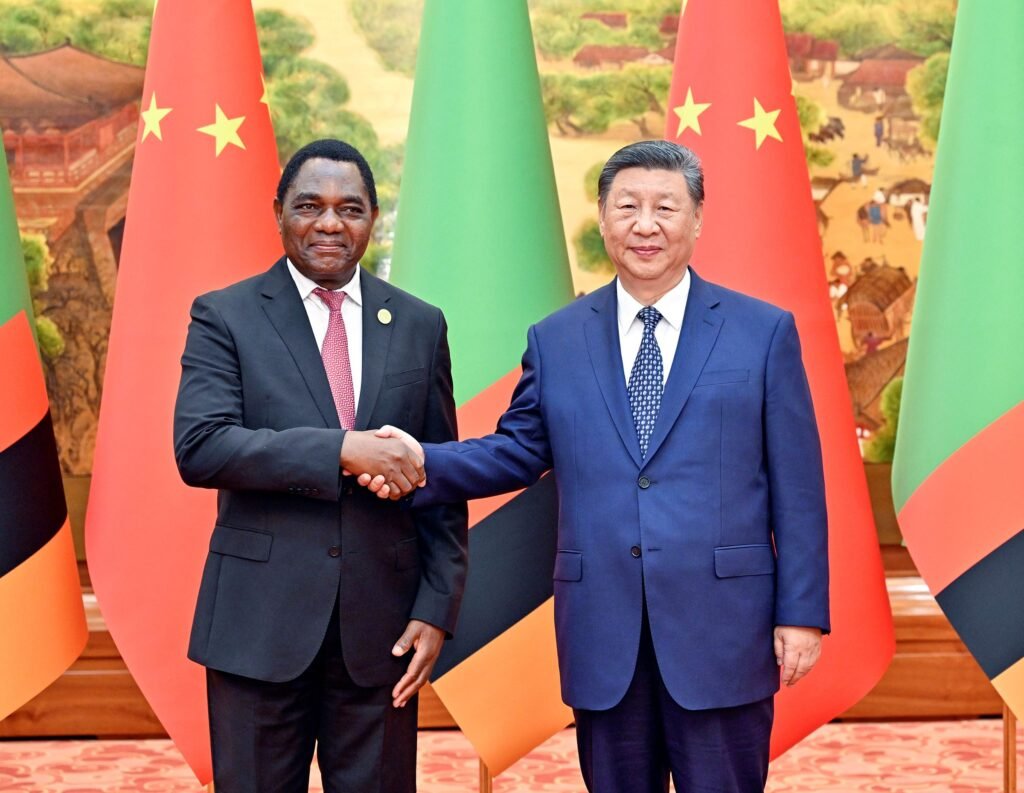
But Zambian officials told Access Now they’d have to exclude anyone from Taiwan if they wanted the conference to proceed. Zambia has close economic ties with China, which considers Taiwan part of its territory and pressures other countries to isolate it diplomatically.
Access Now refused to ban Taiwanese participants. “We will not sacrifice the safety and inclusion of our community members,” they said in a statement. Instead, they canceled the entire in-person event.
China has used similar tactics before. It’s pressured airlines to list Taiwan as part of China on their websites and pushed international companies to avoid recognizing Taiwan as a separate country.
What Happens Next
Access Now is scrambling to organize a virtual conference instead. But online events lack the networking and spontaneous conversations that make RightsCon valuable for activists working in dangerous conditions.
The cancellation highlights a growing problem: as China’s economic influence grows, it’s getting easier for Beijing to silence voices it doesn’t like, even at conferences dedicated to free speech.