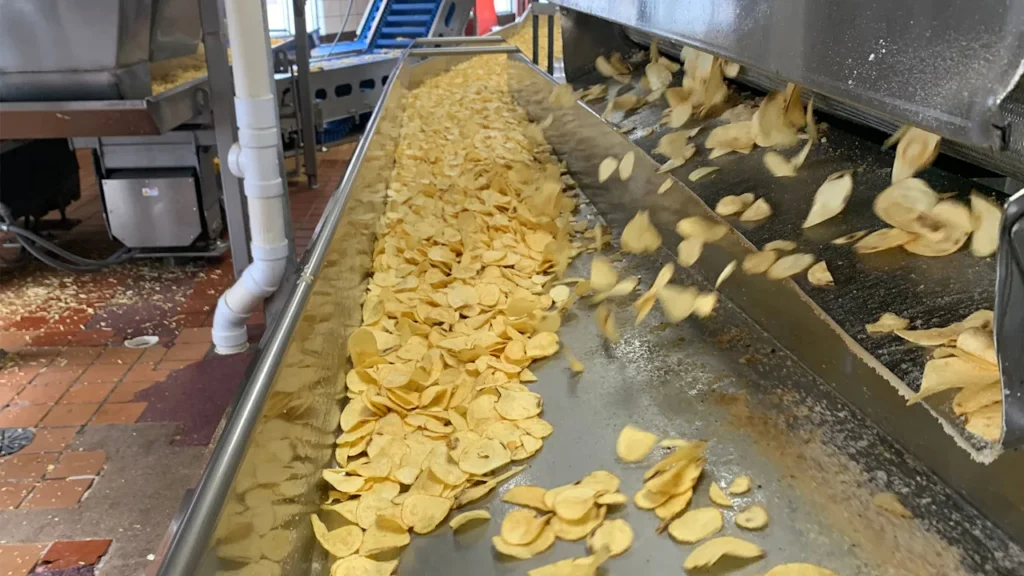
Michigan State researchers have spent decades engineering the perfect potato specifically for chip making. These aren’t your garden-variety spuds – they’re designed to survive different climates, resist diseases, and deliver that perfect crunch months after harvest.
What makes this fascinating is how specific the science gets. Researchers are now creating potatoes that stay sweet at cold temperatures and breeding smaller varieties because people want snack-size chip bags. It’s like having a custom car, but for snacks.
The Chip Potato Laboratory
David Douches at Michigan State has created five new chip potato varieties in 15 years. His latest breakthrough is a bioengineered potato that maintains proper sugar levels when stored cold, preventing rot and waste.
The process is surprisingly collaborative. Chip companies like Detroit’s Better Made work directly with scientists, telling them exactly what size and texture makes the best chip. Then researchers spend years developing potatoes that meet those exact specifications.
Right now, there are 50 different potato varieties grown specifically for chips in America. Each year, the National Chip Program tests 225 new varieties and picks the top 100 for further trials. It’s like a potato talent show, but the winners end up in your snack bowl.
Michigan leads the country in chip potato production, supporting a $2.5 billion industry. The same scientists also develop disease-resistant varieties for farmers in Nigeria, Kenya, and Bangladesh, fighting world hunger with potato science.
What’s Next
Douches is currently growing seeds for commercial testing of his cold-storage potato. If successful, it could reduce food waste and keep your favorite chips consistently crunchy year-round.