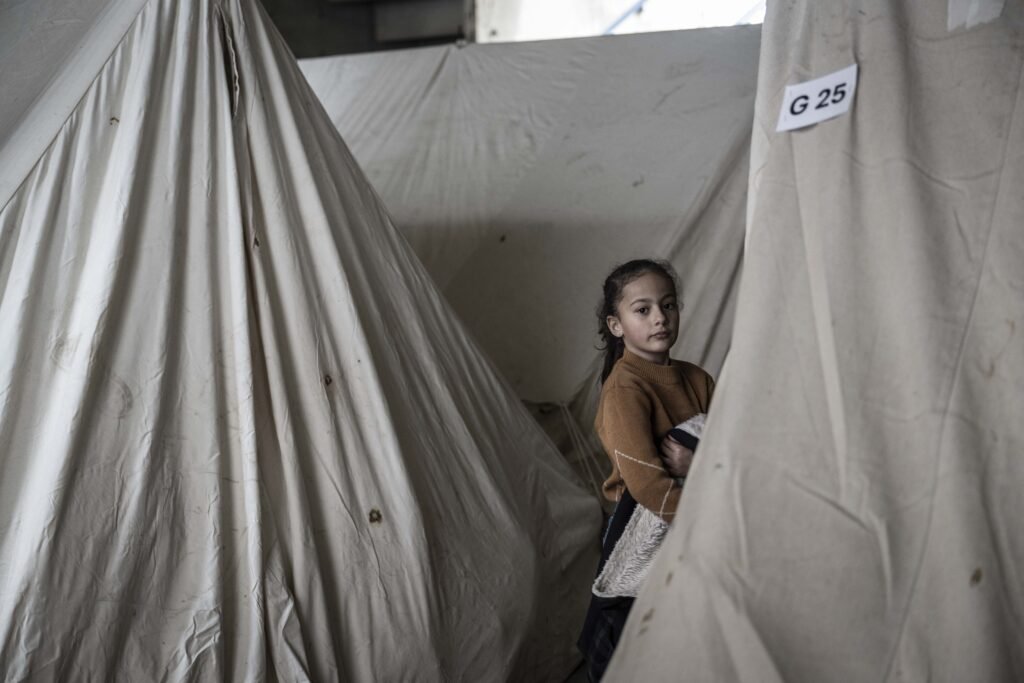
Lebanon is using digital payment apps to get emergency money directly to one million people forced from their homes by war. The country’s traditional banks and government systems have largely collapsed, making smartphone wallets the fastest way to distribute aid.
This isn’t just about convenience – it’s about survival. When banks fail and governments can’t function, your phone becomes your lifeline. Lebanese families living abroad can now send money instantly to relatives hiding in shelters, bypassing broken financial systems entirely.
Phones Replace Banks
The shift happened out of necessity. Lebanon’s banking system crashed years ago, and the current conflict made things worse. Traditional aid organizations struggled to move money through official channels that simply don’t work anymore.
Digital wallets like OMT and Whish filled the gap. These apps let anyone with a smartphone receive cash transfers, withdraw money from corner shops, or pay for food directly. No bank account required. No waiting for government approval.
Diaspora communities – Lebanese people living in other countries – quickly embraced the technology. They’re sending millions of dollars through these apps, money that reaches families within minutes instead of weeks.
What’s Next
This crisis is creating a blueprint for digital aid that other countries are watching closely. When traditional systems fail, smartphones and simple payment apps can keep communities alive. Lebanon’s experiment with digital wallets during wartime could change how the world responds to future disasters.
The technology works, but it also raises questions about privacy and control when governments and banks are out of the picture.